
Water can invade your home without warning: a burst pipe, a leaky roof, a backed-up sewage drain, or even heavy rain and flooding. When this happens, it’s often an emergency situation, and the faster you act, the better not only for your home but also for your wallet. Taking quick steps can save you from bigger repairs, prevent mold, and make dealing with insurance a lot easier. Continue reading to learn what to do after water damage occurs so you can protect your home, your health, and your wallet, and avoid turning a small problem into a major headache.
Document the Damage and Notify Your Insurance Company
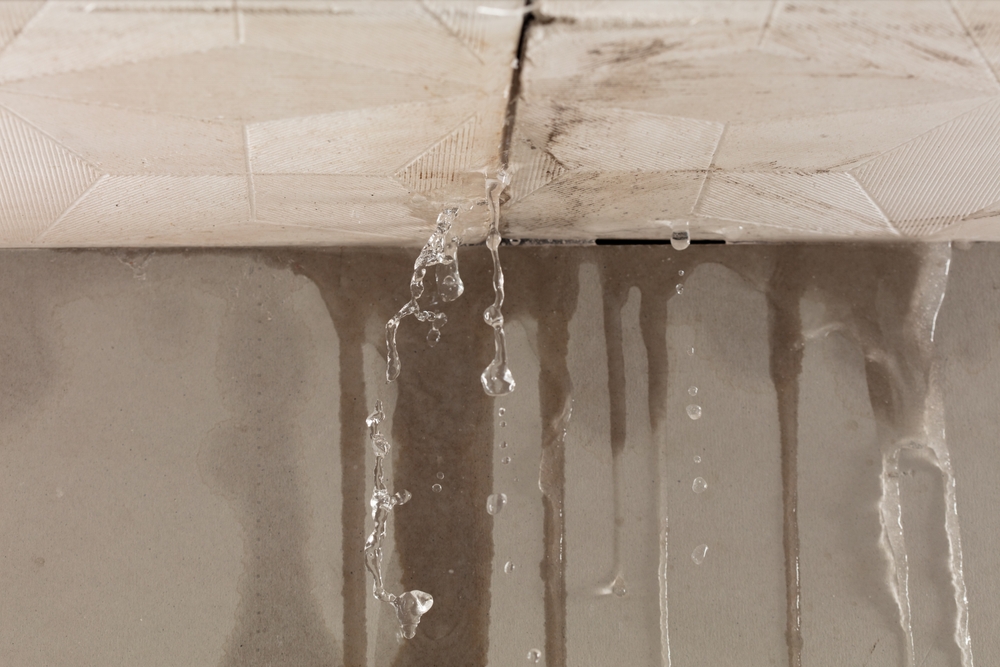
Before you do any sort of cleaning up or moving anything, it’s important to document all the water damage. This step can make all the difference in the world when it comes to filing a successful insurance claim.
Start by taking both wide and close-up photos of every affected room and item. A video walkthrough is also helpful as it captures the full scope of the damage and allows you to add audio, whether that’s to note when the water damage happened (or when you first noticed it), and if possible, where the water leak came from.
Once you’ve documented everything, contact your insurance provider to open a claim. Before calling them, be sure to have your policy number ready, along with the date and time of the incident, your photos and videos, and a detailed list of all the damaged items or areas.
A helpful tip: keep a copy of your homeowner’s insurance coverage handy and ensure you know what’s covered versus excluded, for instance, flooding versus burst pipes. Being organized and documenting everything from the start will help the claims process go faster and be far less stressful during an already stressful situation.
Know the Different Types of Standing Water
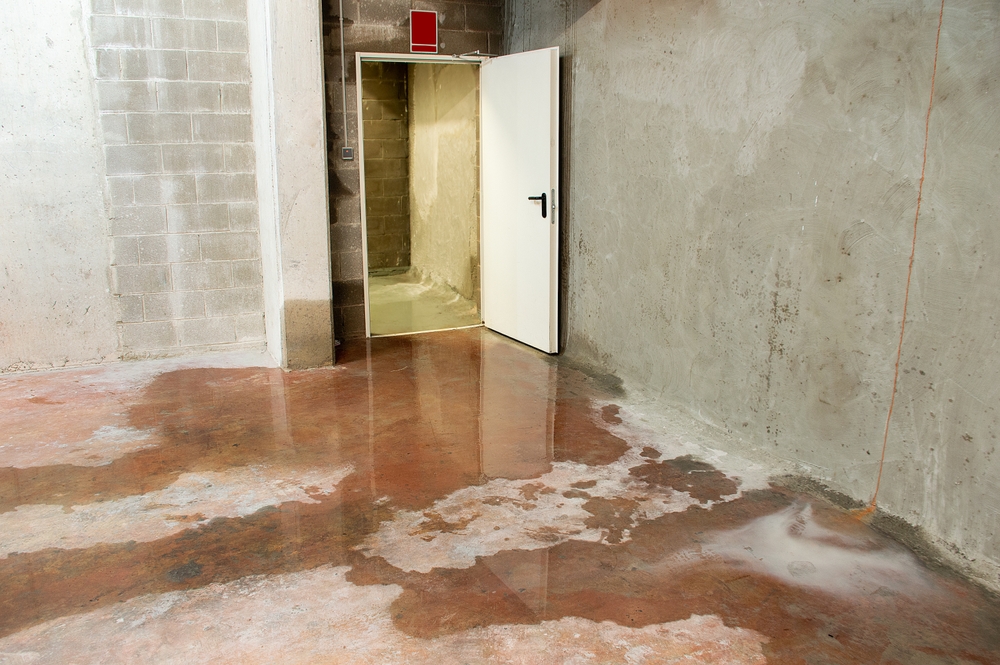
Knowing the different types of standing water that can occur during a leak in your home helps you act safely and make smart decisions during cleanup. For instance, if the water is clear in color, it’s usually a sign that the leak is coming from sources like heavy rain or a leaky pipe. This type of water is generally safe to clean up yourself using towels, mops, or a wet/dry vacuum, but you’ll still want to act with urgency to prevent further damage or mold growth. If your standing water looks gray in color and slightly dirtier, the leak is most likely coming from appliances like washing machines, dishwashers, or toilet overflows that don’t contain serious contaminants. This type of water may carry bacteria or chemicals, so if you tackle it yourself, make sure to wear gloves, boots, and protective clothing. The most serious type of water leak is black in color, usually coming from sewage backups or floodwaters. These types of leaks are unsafe to touch, so in these types of situations, it’s best to call in a professional to handle them and evacuate if necessary.
Stop the Leak at Its Source
Once you’ve identified the type of water you’re dealing with, the next step is to locate the source of the leak and stop it, but only if it’s safe to do so. If you know where your water supply shut-off valve is, turn it off right away. This could be the main valve for your home or a valve near a broken pipe or appliance. If you’re not sure where to find it, don’t resort to panic: check your home’s plumbing layout, look for labeled valves, or call a local water damage restoration professional like Campbell Restoration or building maintenance for guidance. For leaks from outside, like heavy rain or flooding, try to redirect the water using sandbags or temporary barriers. The longer water keeps flowing, the worse the damage becomes, so even partially stopping the flow with items you have at home can make a big difference. Once the leak is under control, you can start assessing the damage and move on to the next steps in this guide.
Turn off Electricity Safely
Water and electricity are a dangerous combination, so turning off electricity to prioritize safety is one of the most important steps during a water leak. If it’s safe to do so, locate your breaker box and switch off the main breaker to cut electricity to your home. Also, it’s important to note that you make sure you’re standing on a dry surface and avoid contact with any water while doing this.
If the breaker box is in an area affected by the water damage, or if you’re unsure whether it’s safe, don’t risk it. Call your utility company immediately and ask them to shut off power from their end, or send a technician as soon as they can, so your electricity is shut off safely.
Even small amounts of water near outlets, cords, or appliances can create serious shock hazards, so prioritize safety and avoid touching anything plugged in until the electricity is off. Turning off the electricity safely not only protects you and your family, but it also reduces the risk of electrical fires while you begin the water damage cleanup process.
Start Drying Standing Water and Affected Areas
The sooner you get rid of all moisture from a water leak, the better, as it helps prevent more damage and keeps mold growth from taking hold. Thorough drying is one of the most important parts of water mitigation and helps prevent long-term issues like mold and structural damage. For small leaks, it might be as simple as mopping up standing water and running a fan or two, but make sure you’re thorough. For bigger leaks, a high-capacity dehumidifier can really help pull moisture out of carpets, walls, and wood. The key is to get the area completely dry so your home is safe and ready for the next steps. For any size water leak, remove soaked items like rugs, cushions, or furniture. Let them dry outside if you can, or discard anything that can’t be salvaged.
If the damage is serious, you’re not sure where to start, or you don’t have the right equipment to dry things out, it’s time to call a restoration specialist like Campbell Restoration. We use industry-grade equipment to get hidden moisture out of walls, floors, and other tricky spots quickly, helping keep your home safe and stopping mold before it starts.
Keep an Eye Out for Mold Growth
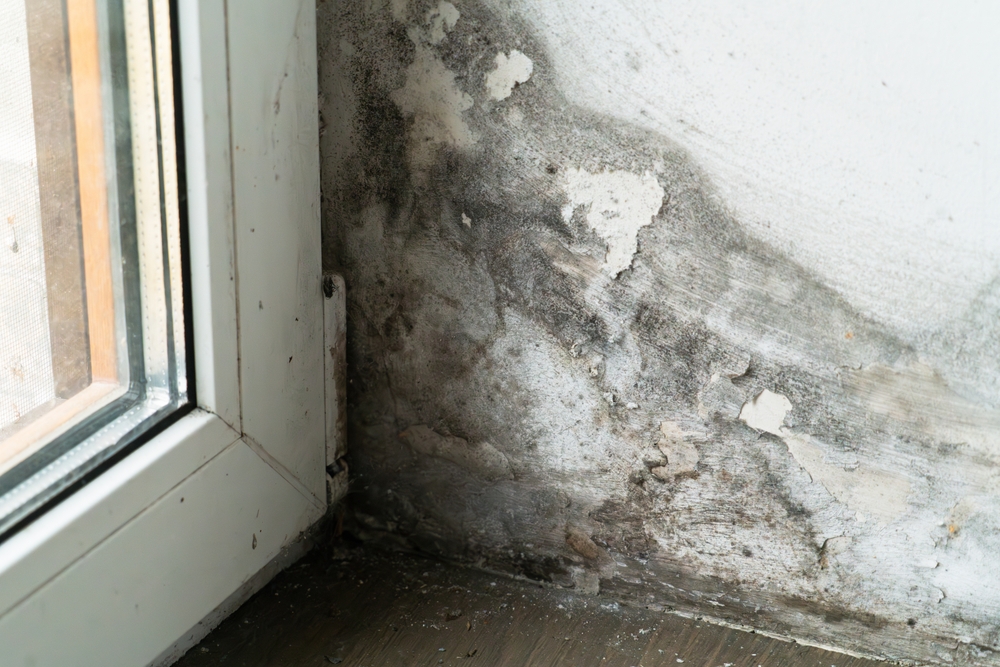
Mold can sneak in faster than you think, sometimes within just a day or two after water damage. Catching it early makes it much easier to manage, but if it spreads, it can create serious health risks, especially for kids, seniors, or anyone with allergies. How to know if your home has mold following water damage? Some early signs to look out for include: a musty or damp smell, discoloration of walls, ceilings, or fabrics (sometimes they’ll have a yellow or brown ring), and, in more serious cases, there will be black or green patches around wet areas.
If you notice any of these signs, or if the air in your home stays humid, it might be best to call in a professional like Campbell Restoration. Our team can isolate the affected areas, use HEPA filtration, and remove mold safely so your home stays healthy.
Bring in the Experts for Water Cleanup When Needed
Once you’ve documented the damage, turned off the electricity, stopped the leak at its source, and started drying the affected areas, it’s time to call in the professionals. Campbell Restoration has handled water damage in residential homes like yours more times than we can count, for over 40 years, and we know how to make the process less stressful from start to finish. Our team can assess the damage, provide a quick water damage response, stop it from getting worse, and start repairs right away.
Whether it’s a small leak, a burst pipe, or a full flood, our team of experts offers complete emergency water damage response and water mitigation solutions to get your home back to normal.
When water damage hits, having the right steps — and the right team — makes all the difference.