
If you’ve recently had a house fire, you’re probably wondering if it’s safe to stay in your home while it’s being repaired. The answer depends on how far the fire spread, but in general, you should NOT stay in your home during fire restoration services. It’s best to let us clean and repair your home before you return to your normal routine.
In this blog, we’re going to outline why it’s not safe to stay in your home after a fire. We’ll explain the health risks of staying in a fire-damaged home and what you should do instead.
Why You Shouldn’t Stay in Your House During Fire Damage Restoration
Structural Damage
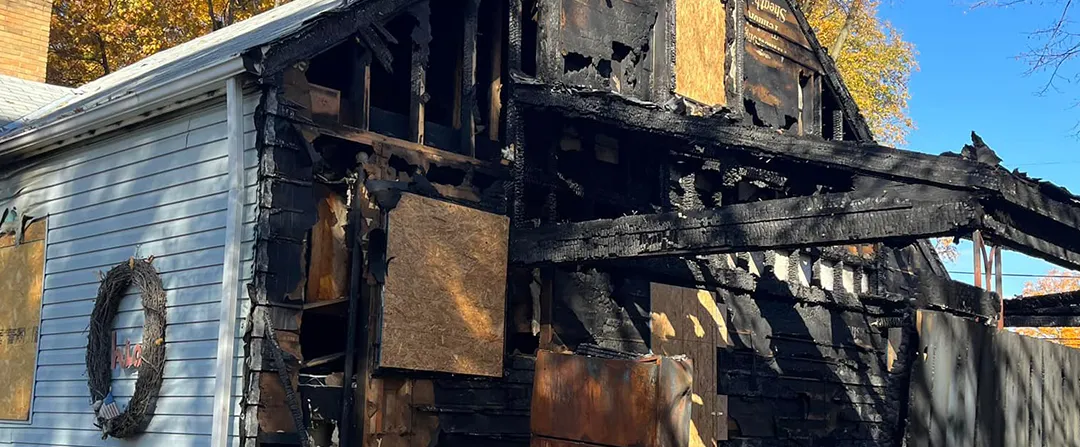
If you had a structural fire, it’s not safe to stay in your house. Structural fires are fires that have damaged the load-bearing parts of your home, like your framing, floor joists, roof supports, fasteners, etc. Some structural damage is obvious, like a sagging ceiling. But other structural damage can be hidden behind your drywall or in your attic. It’s never safe to stay home when you have structural damage because something could collapse on you.
Smoke Damage & Bad Air Quality
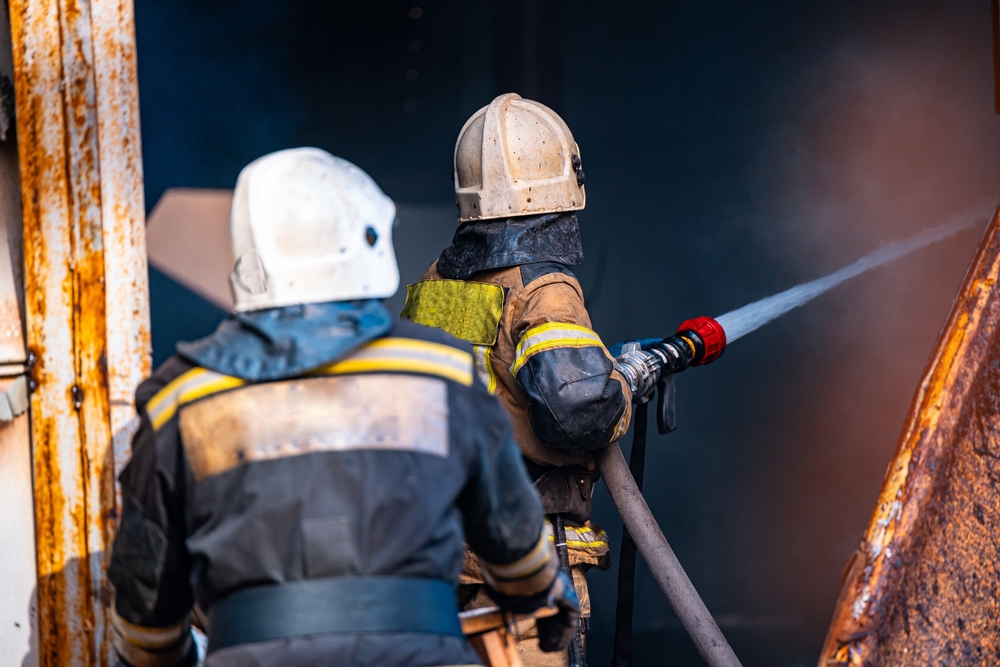
Your home might look fine, but still be unsafe because of smoke damage. If you’ve had a large house fire with a lot of smoke, you’ll need professional cleaning services to remove smoke and soot before moving back in. Breathing in smoke and soot particles can lead to headaches, coughing, eye problems, and more serious long-term health issues. You’re better off moving out until your restoration is finished.
Water Damage from Firefighting
If your fire was put out by firefighters, you’ll need water damage restoration services before it’s safe to move back in. Living in a damp home isn’t safe because mold grows quickly. Plus, you won’t want to be there for the water damage restoration process. It involves tearing things out, sealing the affected areas off, and using loud fans and dehumidifiers to dry out your home. Between this and the risk of electrical hazards, you’ll want to live somewhere else until your restoration is complete.
Power, Gas, and Water Issues
Sometimes your power, gas, and water lines need to be shut off after a fire. Damaged wiring can cause shocks or another fire. Sometimes gas lines get shut off as part of the safety response. And your water may also get shut off if the fire affects plumbing lines. If safety officials have said it’s unsafe to use your power, gas, or water lines, you should find temporary housing until your home is stable again.
Demolition & Reconstruction Work
If your fire damage restoration involves any kind of reconstruction work, it won’t be safe for you to stay at home. You won’t want to be around the debris, exposed nails, open wall cavities, and other hazards. Plus, all the work being done will stir up the soot particles and ruin your home’s air quality. It’s best to wait until your restoration company has repaired and cleaned your home before you move back in.
Hidden Health Risks of Staying Home After a Fire

Toxic Residues
When synthetic materials like plastics, foams, insulation, electronics, flooring, and furniture burn, they release toxic chemicals that settle into your home as invisible residue and soot. Even a minor fire can leave these contaminants behind. These residues can irritate your skin, eyes, and lungs and affect your indoor air quality long after your fire is out. You won’t want to stay in your house until a professional restoration company has deep cleaned your home.
Your HVAC System Can Spread Contaminants
When you have a fire, smoke can get into your ductwork and spread throughout your house. Even rooms that were far away from the fire can end up with smoke damage. This is why it’s important to have your HVAC system inspected and cleaned after a house fire.
Moisture Problems That Lead to Mold
People forget about water damage from the firefighting. This water damage can lead to mold in your subfloors, framing, insulation, and other hidden areas. This is why proper drying is so important after a fire.
Why Temporary Housing is Your Safest Option After a Fire
If you’ve had a house fire and you’re getting restoration work done, temporary housing is usually the safer and smarter choice for all of these reasons:
- Your burned home’s air quality can affect your health
- Restoration work is loud and messy
- Restoration work involves safety risks
- Your utilities may not be reliable
The good news is that many insurance policies include “loss of use” coverage. This can help pay for hotel stays, short-term rentals, and other living expenses while we’re restoring your home.
FAQs About Fire Damage Restoration
How long will I have to live in temporary housing?
It depends on the extent of your fire damage. Minor damage may take weeks, while major restorations can take months. We’ll give you a timeline after inspecting your home.
Are the items that were inside closed drawers or cabinets safe from smoke damage?
Not necessarily. Smoke particles are extremely small and can get through tiny gaps. Your belongings that were inside your closets and cabinets may still need professional cleaning.
Is it possible to salvage any food or medicine that was in the house during the fire?
No. You should throw away any food, drinks, or medicines that were in your house during the fire. Even sealed items can be contaminated by heat or chemical residues.
Why is a professional inspection important even after a minor fire?
Small fires can do a lot of hidden damage. Different factors, like smoke movement and water intrusion, can lead to damage in areas you wouldn’t expect.
Contact Campbell Restoration for Fire Damage Restoration Services Today
Have you recently had a house fire in Columbus Ohio? Contact us today to schedule an inspection and get a free estimate on fire damage restoration services. We’ll inspect your home and answer any questions you have about the restoration process. We can also help you file a “loss of use” claim with your insurance company.