
Experiencing a house fire is often unexpected and life-changing. House fires can happen for several reasons: mistakes in the kitchen, a candle flame too close to a flammable object, or perhaps you’re dealing with the effects of long-term cigarette smoke. Once a fire is contained, homeowners quickly discover that although fires can be destructive, smoke is often a bigger hurdle to getting back to life as they once knew it. We’ll discuss why fire smoke can be so problematic and what you can do about it.
The Science of Fire Smoke: Why Your Home Still Smells After Fire Damage
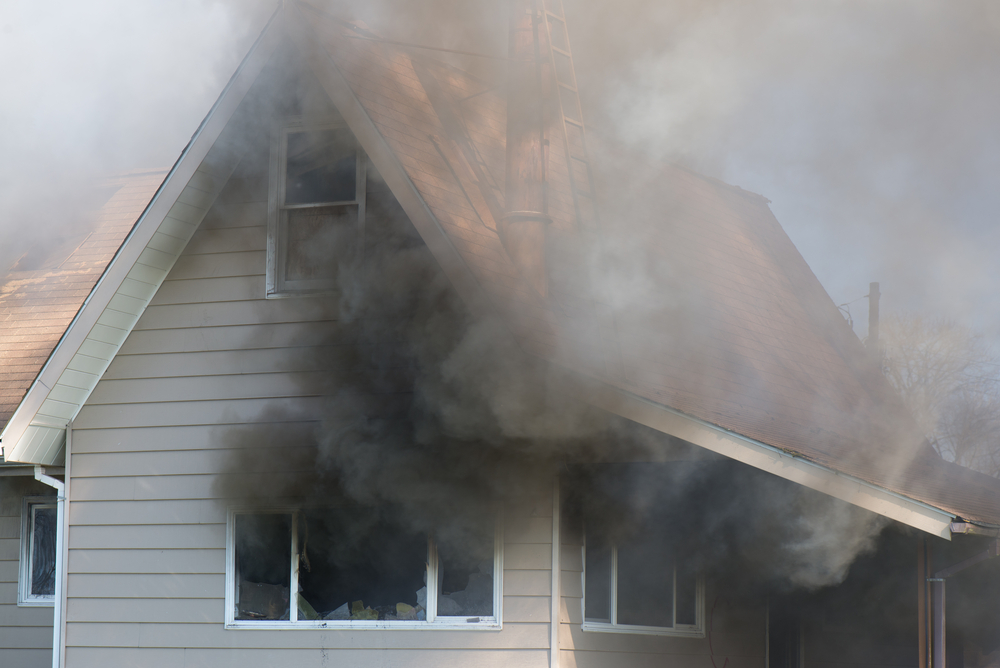
To understand how to remove smoke and its lingering smell from a home, we first must understand what smoke is. As a house fire blazes through a home, smoke is created from the household items being burned. The three main components of smoke are the particulate matter, gases, and vapors.
- Particulate Matter – is a microscopic material that can remain airborne or settle on objects left in the home. Fine smoke particles of soot and ash are smaller than a strand of hair or a grain of sand, making it incredibly difficult to contain.
- Gas Byproducts- gases like carbon monoxide, carbon dioxide, and volatile organic compounds (VOC) are harmful to the human cardiovascular system, and carry the smell you think of when you think of fire smoke,
- Vapors- water vapor, condensed tars/oils, and chemical vapors. Water vapor is a natural occurrence, but chemical vapors happen due to the burning of certain synthetic products inside the home, which pose significant threats to anyone breathing them in.
The Challenge of Lingering Smoke Smells
Now that we know what smoke is, why is it so difficult to remove? The biggest hurdle to removing odors has to do with the microscopic nature of the smell. Soot and ash that is left behind after a fire are physical and something that can be remedied. However, once that layer is gone, the odor of smoke persists. This is because of the particulate matter discussed above.
Even if the physical layer has been cleaned up, particulate matter is so fine that it seeps into the porous materials of the objects inside a house, leaving a foul smell behind. A simple cleaning is not enough to remove the lingering smoke smell that lies deep inside the fabrics and materials of each home.
What Factors Determine How Long Smoke Smells Last?
Many factors contribute to how long the smell of smoke lasts in your home. How severe was the fire? How long did it burn for? Naturally, the longer a fire burns, the more damage it causes, making it more difficult to cure.
Was the smoke wet or dry? Wet smoke is typically produced at a lower temperature, moving more slowly, and is caused by synthetic materials, which leave a sticky residue of everything it touched. Dry smoke is the opposite. It’s caused by natural fibers, which burn more quickly but cause a less intense odor.
What type of materials were affected? Things like the type of carpet, wood, and drywall all vary in how they hold or omit odors over time. Did the HVAC system cycle after the fire? Was the home well ventilated? These questions can be overwhelming, but knowing the details can make a significant impact on restoring a house to a livable condition.
Do DIY Smoke Removal Tricks Really Work?
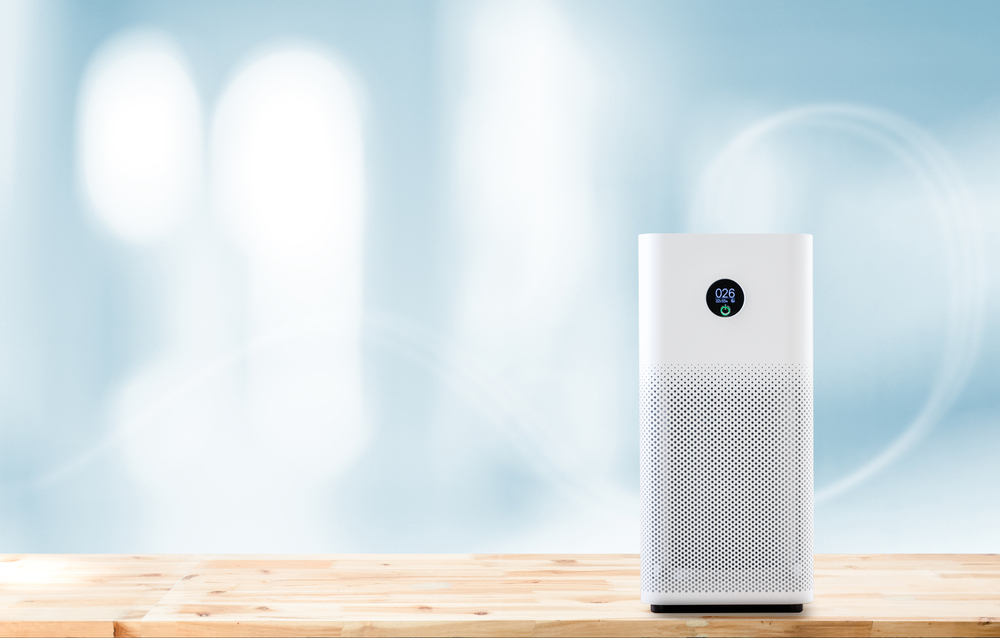
Let’s discuss common DIY tips for smoke smell removal and what impact they can have on fire restoration…
- Ventilation- ventilation can be helpful after a fire. It helps dilute indoor contaminants as long as the air quality outdoors is not any worse than the air quality indoors. Mainly, this refers to a wildfire situation. Always check the weather quality before attempting this. Although there may not be a wildfire in your area, smoke from a wildfire nearby could impact you without knowing it.
- Air Purifiers- Research shows that air purifiers with HEPA filters can help remove particulate matter from the air. Be sure to pay attention to the square footage size of the air purifiers to ensure you get the maximum benefit in eliminating smoke odors.
- Baking Soda and Vinegar- Making a baking soda and vinegar solution for your home does have some benefits. The mixture can help by neutralizing smells, but it’s only on the surface level. While this can be helpful at the start, homeowners still need to address embedded damage by hiring a cleaning service that specializes in odors and smoke residue.
- Ozone Machines- Research has shown that non-professional ozone machines do not provide any real benefits to removing odors after a fire. In fact, they pose more of a health threat than an advantage in eliminating smells from the air.
Professional Odor Removal and How It Works
Many homeowners aren’t aware that the cleaning, inspection, and restoration industry follows established standards set by the Institute of Inspection, Cleaning and Restoration Certification (IICRC). When choosing a fire restoration company, it’s important to ask if they are IICRC-certified. This ensures you’re working with trained professionals who follow proven methods for safe, thorough cleaning and restoration.
Cleaning professionals will assess the damage and safety of the house to determine the most effective course of action to remove cigarette and smoke smells. Wet cleaning and dry cleaning both have different protocols to follow, thus the need for evaluating what is needed for each unique scenario.
Once the cleaning protocol is determined, the cleaning crew will move to the deodorization techniques. Again, depending on the circumstance, professional ozone treatments, thermal fogging, or hydroxyl generators may be needed. The final step in the cleaning process is sealing. When odors have penetrated structural material, sometimes sealing is necessary. Suppose there are still smoke odors that were not contained by the professional cleaning. In that case, odor-blocking sealants can be applied to structural materials in the home to lock in lingering smells from being dispersed throughout the residence.
The Unique Challenge of Cigarette Smoke
Maybe you’re not dealing with the aftermath of a house fire, and want to get rid of the well-known scent of cigarette smoke. While the cigarette smoke is similar, it’s filled with a different mixture of harmful chemicals and toxins.
Cigarette smoke is more sticky than regular smoke and has a tar-like consistency that it leaves behind. It clings to walls, furniture, carpets, clothing, and even skin, leaving it just as pesky to remove. The biggest downfall of cigarette smoke is long-term exposure. Smoking cigarettes and tobacco indoors not only makes it incredibly difficult to get rid of the smells, but it also poses additional health risks. This lingering cigarette smell is called third-smoke. Third-smoke residue is harmful on its own, but can also interact with the polluants and gases, increasing toxicity over time.
A Fresh Start is Possible
Removing smoke odors, whether from a house fire or years of cigarette use, is no simple task. From stubborn wet smoke residues to the hidden dangers of thirdhand smoke, these smells can penetrate deep into walls, furniture, and air systems, posing lasting health risks and diminishing your home’s comfort.
For a safe, thorough, and lasting result, contact Campbell Restoration today!. Our expertise in smoke odor removal ensures your home is not only fresh and clean but also healthy for everyone who lives there.