
The Crucial Role of Emergency Restoration in Property Protection
It’s no secret that fire damage, water damage, smoke damage, and storm damage can pose threats to your home. Still, many homeowners don’t consider time as a factor in the overall damage to a home due to these unexpected events. It’s scary to think that one bad storm or a freak accident can take the safety and security of your home that you have worked so hard to protect. But there are people you can trust, and that’s the job of an emergency restoration company. Damage restoration companies understand that time after a tragedy is precious and can undoubtedly make a difference in the long-term effects on property value.
Understanding the Climate Impact of Disasters on Property
A large majority of individuals who seek out restoration services are doing so in the wake of a weather emergency. As climate change worsens, property damage becomes a more frequent problem that homeowners have to face.
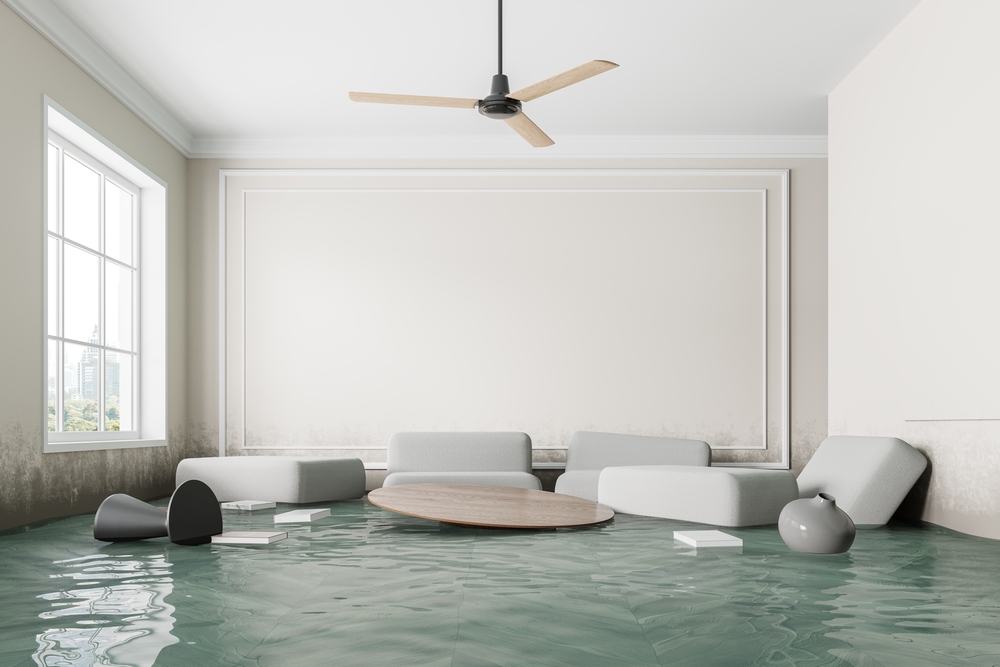
- Flooding- can occur for a number of reasons, including hurricanes, heavy rainfall, rising water levels in rivers and lakes, etc. It’s no longer a concern for coastal communities alone. Landlocked states are seeing more frequent flash floods that can be just as destructive to property. A flood can cause significant property damage to the interior and exterior of homes, the longer it sits.
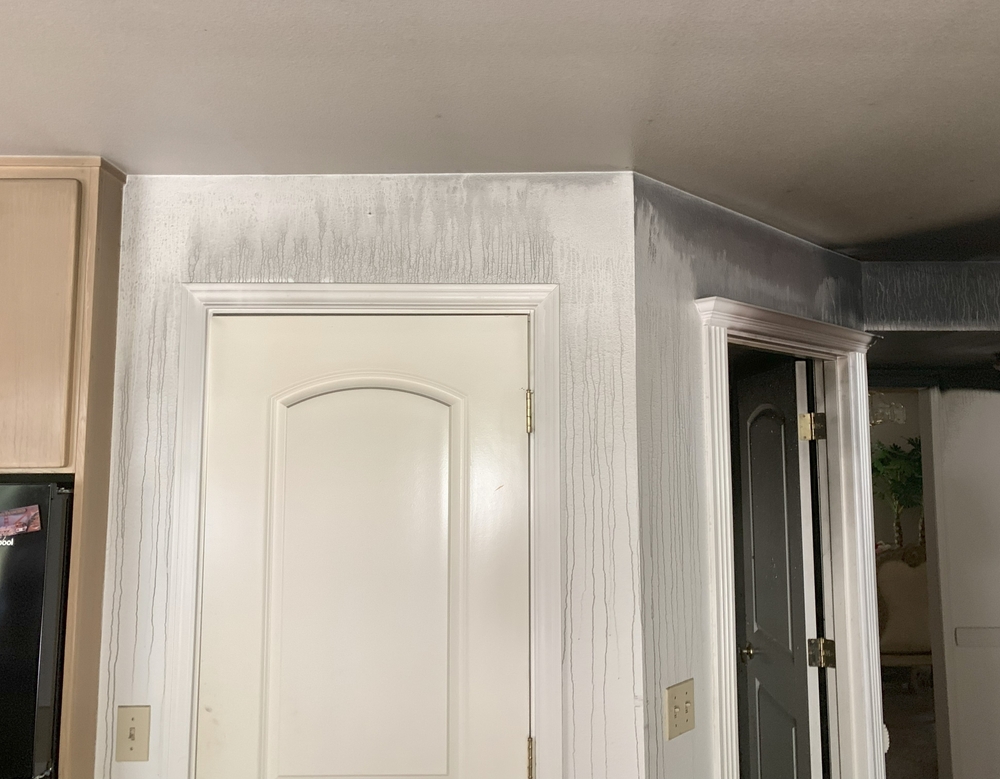
- Fires- a fire can occur in nature, but also by human error inside your property. The extreme heat of a fire can cause serious structural damage, corroding natural and synthetic materials inside a home. Additionally, smoke can leave behind residues and odors that pose serious health risks if not addressed correctly.
- Storms- including hurricanes, tornadoes, lightning strikes, and hailstorms- all have the potential to cause property damage. Roof leaks, wind-torn siding, and water intrusion are results of radical weather patterns happening throughout the country.
While immediate effects are often things you can see, like broken windows or collapsed walls, quick action can have invaluable long-term effects on the property damage. For example, after a disaster strikes, your property may need to be boarded up to prevent water intrusion. Meanwhile, if the property stays open to the elements and isn’t addressed quickly, mold, mildew, or further structural damage can cause additional damage, costing the property owners more money and time.
Emergency Restoration: The First Step Toward Long-Term Protection
What is emergency restoration? Emergency restoration refers to the immediate response to following an accident or weather event. This is meant to stabilize the property and prevent any further harm or injury from happening. Emergency restoration also accounts for assessing the property and the necessary steps to restore it to its former glory.
Emergency restoration is unique to each individual situation, but often looks like water extraction, tarping open holes, removing charred materials, and cleaning of various types. Preventing further damage is the name of the game in this situation, and mitigation crews know how to get the job done.
Quick Restoration vs. Delayed Action
There is a lot at stake after a catastrophe hits, and prompt restoration efforts can play a big part in what is salvageable in the initial stages. With quick action, you can prevent long-term damage.
Water damage is often a big contributor to long-term property loss. Mold and mildew can start developing as quickly as 24-48 hours of exposure to water damage. This can affect not only structural components of property but also personal belongings like furniture, photos, and family heirlooms. Other fixed assets of the home, like carpet, wooden structures, or drywall, can be saved with quick restoration action that would otherwise turn into an expensive problem later down the line.
Fire and water damage don’t just pose a threat to material items, but to you and your family’s health. Removal of soot and smoke particles or standing water will prevent exposure to unhealthy contaminants and bacteria.
Contacting professional restoration services means they will come prepared with professional equipment and tools to start mitigating swiftly. With a trained team, the restoration process begins immediately and is often completed sooner than DIY attempts. They are also prepared to document the damage and have experience in what insurance may require when filing a claim.
Identifying and Addressing Structural Damage Early
To an untrained eye, structural damage may not be apparent, but it can be hazardous if not addressed. Structural damage isn’t always visible either. Intense heat or prolonged water damage exposure can weaken a home’s framework or erode the foundation. Professional restoration services can assess your property for signs of these problems. Techniques like load testing, bracing, or wall reinforcement may need to be used to ensure there are no hazards before mitigation services start. Early detection can be the difference in recovery time and a severe decline in property value.
Preventing Secondary Damage Through Rapid Response
Secondary damage refers to the indirect or delayed destruction that occurs after the initial disaster. For example, a property is soaked in water after firefighters put out a fire, or corroded materials from acids in the smoke.
While some secondary damage is inevitable, the damage it can cause is not. With the help of a restoration company, water damage restoration can be addressed quickly. Water extraction, drying, and dehumidifying techniques of professional grade are excellent tools in preventing water damage. For fire damage, smoke and soot removal practices can neutralize smoke odors from seeping deep into the property that can linger for many months. In the long run, this can save a lot of time, money, and frustration as you recover over time.
Long-Term Damage Prevention: Beyond the Initial Cleanup
After initial and ongoing restoration services are complete, your property still may be at risk. After fire damage, air quality testing is vital to confirm hidden threats aren’t still lingering in the home, even if there is no noticeable smell. Monitoring moisture levels after water damage is also imperative. While emergency restoration services take care of these issues up front, each home is unique and may need more treatment than what’s typical. HVAC services can also develop issues that may not be seen right away, that will later need to be addressed to prevent any lingering contamination.
These reasons are why it’s imperative to work with a trust restoration company. DIY remediations often cannot treat long-term problems associated with water damage, natural disasters, and other property accidents.
Emergency Restoration Is Essential for Protecting Property Value
When disaster strikes, the difference between temporary setbacks and long-term property loss often comes down to speed and expertise. Emergency restoration is more than an immediate cleanup; it’s a proactive defense against structural damage, hidden moisture from water damage, lingering smoke, and the costly chain reactions that follow. By responding quickly and relying on trained professionals, property owners can protect their investment, preserve structural integrity, and avoid the financial and emotional strain of delayed repairs.
Contact Campbell Restoration today for emergency restoration assistance in the central Ohio area.